2021-2024 Honda CR-V / HR-V Rear Differential Fluid Leak TSB
Honda has released ServiceNews Article A23110A regarding rear differential fluid leaks in 2021-2024 CR-V and HR-V vehicles. This issue is often caused by over-torquing the drain plug during servicing, leading to stripped threads and potential differential failure. Technicians are warned against…
 Marcus Weber2024 Honda CR-V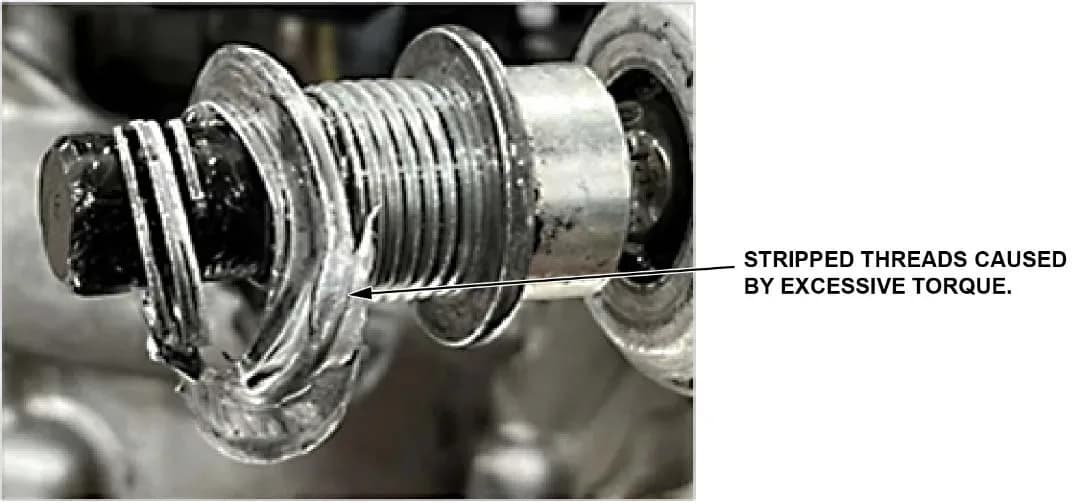
Also applies to
- Honda CR-V
- 2021–2023
- Honda HR-V
- 2021–2024
Honda has issued ServiceNews Article A23110A, Version 1, dated November 2023, to address a common issue of rear differential fluid leaks in certain 2021-2024 Honda CR-V and HR-V AWD models. This bulletin highlights that the leaks frequently occur after the vehicle has undergone routine service.
The primary cause of this Honda CR-V rear differential leak and similar issues in the HR-V is the improper tightening of the rear differential drain plug. Specifically, technicians using impact tools instead of torque wrenches can apply excessive force, stripping the threads and compromising the seal.
Symptoms of a Rear Differential Fluid Leak
Owners may notice fluid leaking from the rear differential after their vehicle has been serviced. If this leak goes unaddressed, the differential fluid level can drop significantly. A critically low fluid level can eventually lead to the failure of the entire rear differential assembly, resulting in costly repairs.
Understanding the Cause: Over-Torquing
Honda's analysis of returned rear differential assemblies revealed that many drain plug threads were over-torqued and stripped during normal maintenance. This excessive torque creates a pathway for fluid to escape. The specified torque for the AWD rear differential drain plug is 47 N·m (35 lb-ft).
In contrast, a typical 3/8-inch drive electric impact driver can apply between 203 to 338 N·m (150 to 250 lb-ft) of torque. This range far exceeds the drain plug specification. Honda found that the AWD rear differential drain plug threads typically fail when subjected to torque between 108 N·m (80 lb-ft) to 164 N·m (121 lb-ft). This clearly demonstrates how easily an impact tool can cause damage leading to a Honda CR-V rear differential leak.
Important Warnings for Technicians and Owners
Honda explicitly states: "NEVER use an impact tool on the differential drain plug." This is a critical warning to prevent damage. Technicians are also reminded to "Always verify the fastener torque specification in the service manual prior to starting each job." Owners should be aware that proper torque application is crucial for preventing this type of damage.
Preventative Measures and Proper Servicing
To prevent stripped threads and subsequent fluid leaks, it is essential that technicians use a torque wrench to tighten the rear differential drain plug to the precise specification of 47 N·m (35 lb-ft). This ensures the plug is secure without causing damage to the threads.
Honda has developed several self-study training modules to educate technicians on the importance of correct fastener tightening and drain bolt torque specifications. These modules include:
- ESC28: DRAIN AND REFILL REAR DIFFERENTIAL
- GIC35: THREADED FASTENERS & TORQUE
- SVC04: TORQUE PROCEDURES
Modules GIC35 and SVC04 are mandatory for technicians seeking PDI, Express Service, and General Repair certifications, underscoring Honda's commitment to proper service procedures to avoid issues like the Honda CR-V rear differential leak.
What Owners Should Do
If you own a 2021-2024 Honda CR-V or HR-V and notice any signs of a fluid leak from the rear of your vehicle, especially after recent servicing, it is crucial to have it inspected by a qualified technician immediately. Prompt attention can prevent minor leaks from escalating into significant and expensive rear differential failures.
When having your vehicle serviced, particularly for differential fluid changes, you may want to inquire with your service center about their procedures for tightening drain plugs and ensure they adhere to manufacturer-specified torque values using appropriate tools.
Source: NHTSA ID 10245277
Gallery
1 image
Frequently Asked Questions
- What is ServiceNews Article A23110A about?
- ServiceNews Article A23110A addresses rear differential fluid leaks in 2021-2024 Honda CR-V and HR-V AWD models. It highlights that these leaks are often caused by over-torquing the differential drain plug during service, leading to stripped threads.
- What causes the rear differential fluid leak in Honda CR-V and HR-V models?
- The primary cause is the use of impact tools to tighten the rear differential drain plug, which applies excessive torque. This over-torquing strips the threads, preventing a proper seal and causing fluid to leak. The specified torque is 47 N·m (35 lb-ft), but impact tools can apply significantly more.
- What should I do if I notice a rear differential fluid leak on my 2021-2024 Honda CR-V or HR-V?
- If you observe any fluid leaking from the rear differential, especially after a recent service, you should have your vehicle inspected by a qualified technician as soon as possible. Addressing the leak promptly can prevent further damage to the differential.
- What is the correct torque specification for the rear differential drain plug?
- The correct specified torque for the AWD rear differential drain plug is 47 N·m (35 lb-ft). Technicians should always use a torque wrench to ensure this precise specification is met and to avoid stripping the threads.
Related Articles
2024-2026 Honda Civic, CR-V, HR-V A/C Compressor Seizure
American Honda Motor Co., Inc. (AHM) is actively investigating A/C compressor seizure issues in specific 2024-2026 Honda Civic, CR-V, and HR-V vehicles. If your A/C is not blowing cold air and a technician finds a seized compressor, your vehicle may qualify for a special inspection.
2024-2026 Honda Civic, CR-V, HR-V A/C Compressor Seizure Investigation
American Honda Motor Co., Inc. (AHM) is actively searching for specific 2024-2026 Honda Civic, CR-V, and HR-V vehicles experiencing A/C compressor seizure. If your vehicle's A/C is "not blowing cold air" and the compressor is seized, Honda wants to inspect it before any repairs are made.
2022-2026 Honda Civic/CR-V/HR-V Front Wiper Motor Inop
American Honda Motor Co., Inc. (AHM) is investigating customer complaints regarding inoperative (inop) or misaligned front wiper motors in certain 2022-2026 Honda Civic, 2023-2026 Honda CR-V, and 2023-2026 Honda HR-V vehicles. AHM is requesting dealers to identify and report qualifying vehicles…
2023-2024 Honda CR-V Head Cover Oil Leak Investigation
American Honda Motor Co., Inc. (AHM) is actively searching for specific 2023-2024 FHEV Accord and CR-V vehicles experiencing an oil leak from the head cover gasket. This investigation aims to understand the root cause before any repairs are attempted.
2024-2026 Honda Civic, CR-V, HR-V A/C Compressor Seizure
Honda is actively collecting data on A/C compressor seizures in 2024-2026 Civic, CR-V, and HR-V vehicles experiencing a lack of cold air. This initiative, identified as 'A/C Compressor Seizure (ACTION REQUIRED)', aims to understand the root cause of the issue by examining specific parts.
Leave a comment
Comments are moderated and may take a moment to appear. Only your first name and the initial of your last name are shown publicly.
Comments
Be the first to comment.