2021-2022 BMW PHEV AC Temperature Fluctuation TSB
BMW has identified an issue in certain 2021-2022 Plug-in Hybrid Electric Vehicles (PHEV) where the air conditioning system cycles from cold to warm air, with vent temperatures varying by 25°F or more without user input. This manufacturer communication, NHTSA ID 10214265, addresses the problem.
 Ahmet Topcu2022 BMW X5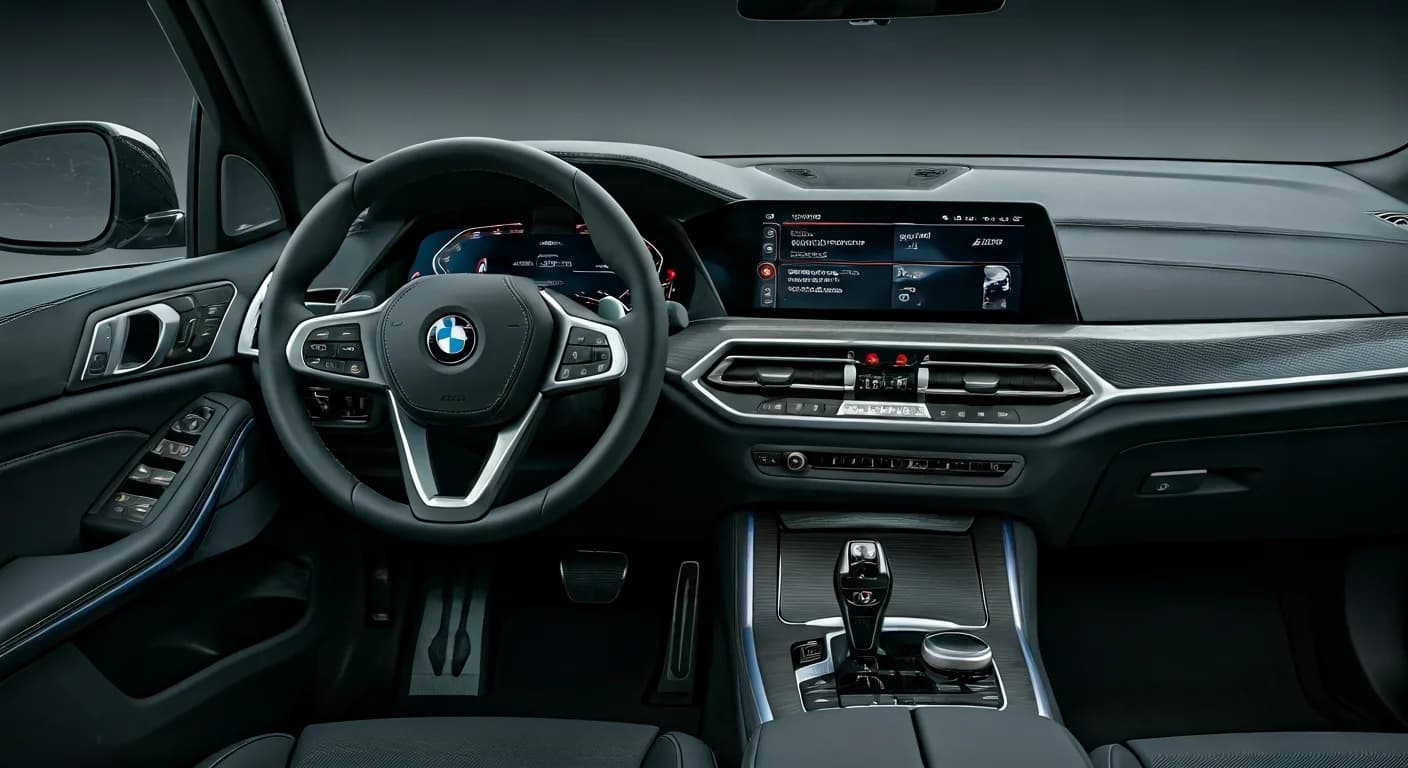
Also applies to
- BMW 330e
- 2021–2022
- BMW 330i
- 2021–2022
- BMW M340i
- 2021–2022
- BMW X5
- 2021
- BMW X6
- 2021–2022
- BMW X7
- 2021–2022
- BMW Z4
- 2022
▸ Show 1 more▾ Show fewer
Symptoms of AC Temperature Fluctuation
Owners of certain 2021-2022 BMW Plug-in Hybrid Electric Vehicles (PHEV) may notice their air conditioning system cycling unexpectedly from cold to warm air. This issue can occur while the vehicle is driving or even when it is stationary. The vent outlet temperatures can fluctuate significantly, varying by 25 degrees Fahrenheit or more (e.g., from 38°F to over 60°F, or 3°C to over 15°C). This temperature variation happens without any manual changes to the climate control settings. If you are experiencing this, your 2022 BMW X5 manufacturer_communication is relevant.
Diagnosis and Trigger Conditions
The primary trigger for this condition is the air conditioning system's inability to maintain a consistent temperature, leading to noticeable shifts between cold and warm airflow. This fluctuation is not dependent on vehicle speed or movement, as it can manifest both while driving and at a standstill. The key indicator is the significant temperature swing from the vents without any user interaction with the climate control system.
Manufacturer's Communication
BMW has issued a manufacturer communication, NHTSA ID 10214265, to address the air conditioning cycling from cold to warm air in affected Plug-in Hybrid Electric Vehicles. This communication highlights the symptom of vent outlet temperatures varying by 25 degrees Fahrenheit or more. While the specific repair procedure is not detailed in the summary, such communications typically guide dealerships on diagnosing and resolving the underlying cause of the temperature instability.
Owner Action
If your 2021-2022 BMW PHEV, such as a 2022 BMW X5, is exhibiting the air conditioning cycling from cold to warm air, it is recommended to schedule an appointment with an authorized BMW dealership. Describe the symptoms, specifically mentioning the "vent outlet temperatures vary by 25 degrees Fahrenheit or more" without changing climate control settings. The dealership will be able to diagnose the issue using the information provided in the manufacturer communication NHTSA ID 10214265 and perform any necessary repairs. This 2022 BMW X5 manufacturer_communication helps ensure proper diagnosis.
Source: NHTSA Manufacturer Communication 10214265
Frequently Asked Questions
- What is the main issue described in BMW TSB 10214265?
- The main issue is that the air conditioning system in certain 2021-2022 BMW Plug-in Hybrid Electric Vehicles (PHEV) cycles unexpectedly from cold to warm air, with vent outlet temperatures varying by 25 degrees Fahrenheit or more without any changes to climate control settings.
- Which BMW models are affected by this AC temperature fluctuation?
- This issue affects various 2021-2022 BMW Plug-in Hybrid Electric Vehicle (PHEV) models, including the BMW X5, 330e, X7, Z4, M340i, X6, and 330i.
- What should I do if my BMW's AC cycles from cold to warm?
- If your 2021-2022 BMW PHEV experiences the air conditioning cycling from cold to warm, you should contact an authorized BMW dealership. They can diagnose the problem using the information provided in manufacturer communication NHTSA ID 10214265.
- Does this issue occur only when driving?
- No, the manufacturer communication states that the air conditioning can cycle from cold to warm air both while driving and while the vehicle is at a standstill, indicating it's not dependent on vehicle motion.
- Is there a specific fault code associated with this AC problem?
- The provided summary for manufacturer communication NHTSA ID 10214265 does not mention any specific diagnostic trouble codes (DTCs) associated with the air conditioning cycling from cold to warm air. Diagnosis would typically involve a dealership's inspection.
Related Articles
2022 BMW Front Axle Grease Buildup SIB 31 01 22
This BMW Service Information Bulletin SIB 31 01 22 clarifies that grease buildup on front axle CV boots is often normal. It provides guidelines for when a CV boot or axle half-shaft replacement is truly necessary for 2022 BMW X-series and 2 Series Gran Coupe models.
2021-2023 BMW X5, X6, X7 Knee Airbag Warning TSB
BMW has released Service Information Bulletin SIB 65 27 24 to address a common issue in 2021-2023 X5, X6, and X7 models where chafing wiring can cause a knee airbag fault and trigger a red airbag warning light. This bulletin outlines the repair procedure to prevent future damage.
2022-2024 BMW Valvetronic Emissions Recall 24E-A02
BMW's Voluntary Emissions Recall 24E-A02 addresses a DME calibration error affecting Valvetronic systems in certain 2022-2024 X5, X6, X7, XM, and 7 Series vehicles. The recall, documented in SIB 12 02 24, involves a software update to correct the issue.
2022-2025 BMW Emissions Recall: Program Control Units
BMW has announced Emissions Recall 25E-A02, identified as Service Information Bulletin SIB 12 04 25, for certain 2022-2025 models. A software error causes permanent storage of fault memories, requiring control unit reprogramming to comply with emissions regulations.
2022-2023 BMW Delivery Stop: Integrated Braking System
BMW has issued Service Information Bulletin SIB 34 04 25, a delivery stop for certain 2022-2023 models. This action addresses a data input error causing permanent storage of fault memories in the integrated braking system control unit, which is resolved by a software update.
Leave a comment
Comments are moderated and may take a moment to appear. Only your first name and the initial of your last name are shown publicly.
Comments
Be the first to comment.