Tesla, Inc. (Tesla) is recalling certain 2023 Model 3 and Model Y vehicles operating software prior to 2023.38.4. The printed circuit board for the electronic power steering assist may experience an overstress condition, causing a loss of power steering assist when the vehicle reaches a stop and then accelerates again.
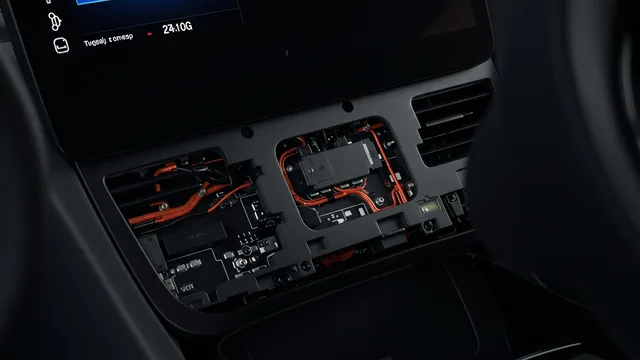
Tesla, Inc. (Tesla) is recalling certain 2024-2025 Model 3, Model S, 2023-2025 Model X, and Model Y vehicles. The computer circuit board may short, resulting in the loss of the rearview camera image. As such, these vehicles fail to comply with the requirements of Federal Motor Vehicle Safety Standard (FMVSS) number 111, "Rear Visibility."
Tesla, Inc. (Tesla) is recalling certain 2024 Cybertruck, 2017-2025 Model 3, and 2020-2025 Model Y vehicles. The tire pressure monitoring system (TPMS) warning light may not remain illuminated between drive cycles, failing to warn the driver of low tire pressure. As such, these vehicles fail to comply with the requirements of Federal Motor Vehicle Safety Standard number 138, "Tire Pressure Monitoring Systems."
Tesla, Inc. (Tesla) is recalling certain 2021-2024 Model 3, Model S, Model X, and 2020-2024 Model Y vehicles. The hood latch assembly may fail to detect an unlatched hood condition after the hood has been opened.
Tesla, Inc. (Tesla) is recalling certain 2012-2024 Model S, 2015-2024 Model X, 2017-2023 Model 3, and 2020-2023 Model Y vehicles. In the event of an unbelted driver, the seat belt warning light and audible chime may not activate as intended. As such, these vehicles fail to comply with the requirements of Federal Motor Vehicle Safety Standard number 208, "Occupant Crash Protection."
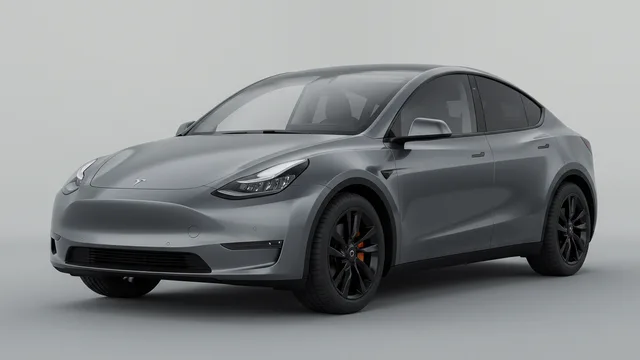
The bolts on the control arm came loose on its own while driving causing the steering to become unstable and loud.
No injuries · No fire · No crash
What component or system failed or malfunctioned, and is it available for inspection upon request? The front driver-side control arm came loose after two bolts fell out. The vehicle had no prior accidents, and the failed area can be inspected if needed. How was your safety or the safety of others put at risk? The front driver side of the car suddenly dropped onto the wheel while I was backing into a parking spot. If this had happened at highway speed, it could have caused a very serious accident, loss of control or potential death. Has the problem been reproduced or confirmed by a dealer or independent service center? The problem was confirmed after the vehicle was inspected and the two missing control-arm bolts were identified. The car was not safe to drive after the failure. Has the vehicle or component been inspected by the manufacturer, police, insurance representatives or others? The vehicle was inspected after the incident by a service center or mechanic. It has not been inspected by the manufacturer, police, or insurance unless otherwise noted. Were there any warning lamps, messages or other symptoms of the problem prior to the failure, and when did they first appear? There were no warning lights, messages, or noticeable symptoms before the failure. It happened suddenly while I was backing into a parking spot.
No injuries · No fire · No crash
I am getting a creaking and clunking sound in my front passenger side suspension. It happens when I turn and go over bumps.
No injuries · No fire · No crash
On the morning of 8-17, 2026, the vehicle experienced a total electrical power loss and high-voltage system deadlock immediately following an official Tesla Over-The-Air (OTA) software update pushed the previous night. Prior to this remote software update, the vehicle had zero operational issues or warning signs. Right after the update completed, the vehicle became completely unresponsive and undrivable. This issue directly compromised safety by causing a sudden, unpredictable loss of vehicle power and propulsion capability, creating a severe risk of stranded vehicle hazards and secondary collisions. The vehicle was brought to an official Tesla Service Center (Whitestone/Flushing, NY) for diagnosis. The manufacturer’s service center inspected the vehicle and confirmed a high-voltage Power Conversion System (PCS) deadlock failure (Repair Estimate ID issued). The failed PCS component remains at the Tesla Service Center awaiting replacement and is fully available for inspection upon request.
No injuries · No fire · No crash
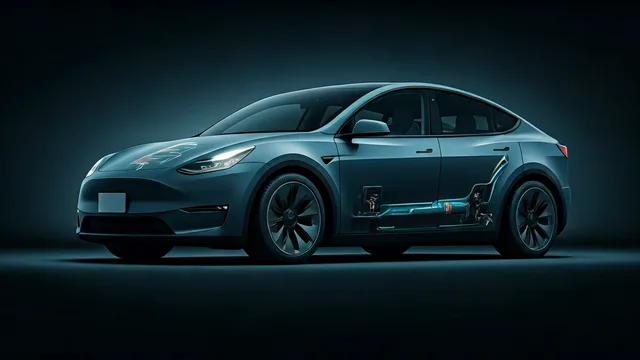
NHTSA SAFETY COMPLAINT WHAT COMPONENT FAILED: High-voltage (HV) battery system. Vehicle experienced complete electrical failure while parked at home, rendering vehicle completely inoperable. Battery is available for inspection at Tesla Service - Las Vegas, East Saharah location (currently in manufacturer's possession for warranty repair). SAFETY RISK: Vehicle suffered catastrophic HV battery failure while parked at residential location. Complete electrical system failure creates potential fire hazard and electrical hazard to occupants/property. Vehicle became disabled and required emergency towing. Sudden, unexplained electrical failure in residential setting with zero warning signs poses serious safety risk. CONFIRMATION: YES — Confirmed by Tesla Service Center: Service ticket documents battery failure Tesla authorized emergency loaner accommodation only AFTER 10-day delay Tesla ordered HV battery replacement under manufacturer warranty Manufacturer admission of defect confirms safety issue
No injuries · No fire · No crash