2022 Jeep Wrangler Health Check: Recalls and Bulletins
The 2022 Jeep Wrangler has faced a significant rearview camera recall (24V676000) and numerous technical service bulletins addressing engine misfires, electrical system malfunctions, and transmission issues. While there are no reported owner complaints or federal investigations, prospective and…
 David ChenUpdated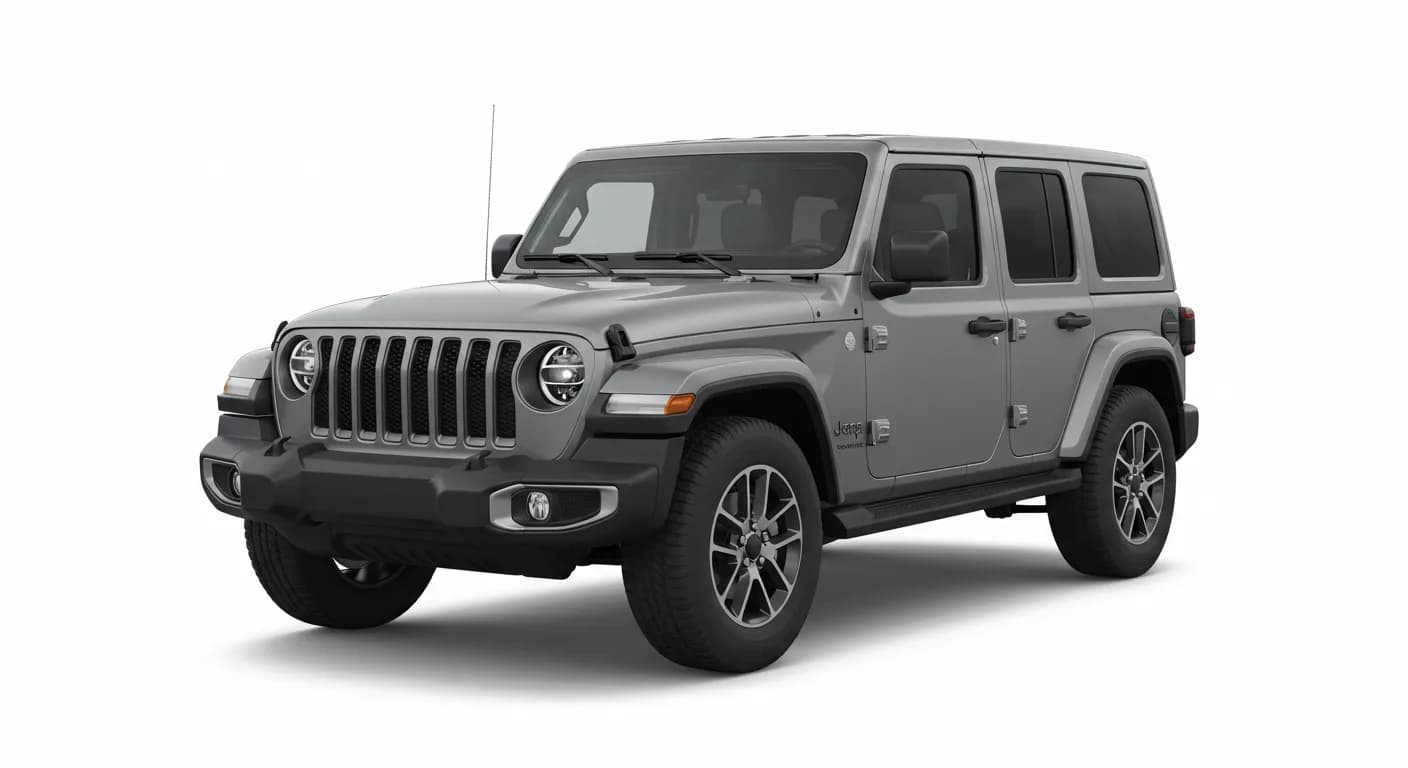
The 2022 Jeep Wrangler, a popular off-road vehicle, has been subject to a safety recall concerning its rearview camera system. While there have been no owner complaints or federal investigations reported to NHTSA for this model year, a significant number of manufacturer service bulletins (TSBs) address various potential issues, particularly related to the engine, electrical system, and powertrain. Understanding these potential problems is crucial for both current owners and those considering a used 2022 Jeep Wrangler.
At a glance
The 2022 Jeep Wrangler has been involved in one safety recall, primarily affecting the rearview camera and center brake light. There are no recorded owner complaints or open federal investigations for this model year. However, Stellantis (FCA US, LLC) has issued 20 manufacturer service bulletins, indicating a proactive approach to addressing common issues that arise in the field, particularly concerning the electrical system, engine performance, and powertrain components.
Recalls
The most critical safety issue identified for the 2022 Jeep Wrangler is a recall concerning the rearview camera system. This recall, identified as NHTSA ID 24V676000 (FCA campaign 77B), affects certain 2018-2024 Jeep Wrangler vehicles. A wiring harness short circuit can lead to the rearview camera image becoming disabled, and it can also affect the center brake light. This malfunction increases the risk of a crash due to reduced visibility and communication to following drivers. Repairs for this issue were completed by January 15, 2024.
Owner complaints
As of the latest data, there have been no owner complaints reported to NHTSA specifically for the 2022 Jeep Wrangler. This suggests that while manufacturer communications address potential issues, they have not reached a threshold of owner-reported problems that would typically lead to formal complaints.
Federal investigations
No federal investigations have been opened against the 2022 Jeep Wrangler.
Service bulletins
Stellantis has issued numerous Technical Service Bulletins (TSBs) for the 2022 Jeep Wrangler, addressing a range of potential issues. These bulletins provide guidance to dealerships on diagnosing and repairing common problems that may not warrant a full recall but can impact vehicle performance or owner satisfaction.
Engine Performance and Misfire Issues
Several TSBs address engine-related concerns. TSB 18-047-26 targets 2022 Jeep Wrangler vehicles equipped with the 3.6L V6 24V VVT ETORQUE engine, covering engine misfires, rough idle, and noisy valvetrain issues, often accompanied by a Malfunction Indicator Lamp (MIL) illumination. Similarly, TSB 09-011-25 details common misfire diagnostic trouble codes (DTCs P0301-P0306), rough idle, and valvetrain noise in 3.6L V6 engines, linking the issue to worn camshaft and rocker arm components.
For spark knock or pinging noise, TSB 09-015-25 suggests oil intrusion through the PCV system may be the cause, requiring piston and cylinder head cleaning. Owners of 2022 Jeep Wrangler models with the 6.4L V8 SRT HEMI MDS Engine experiencing engine knocking or pinging, especially with 91 Octane fuel in hot, dry conditions, are covered by TSB 18-027-25, which provides a Powertrain Control Module (PCM) software update.
Electrical System and Warning Lights
Electrical system issues are also common. An important emission recall, 16C Combo, addresses an inoperable Check Engine/Malfunction Indicator Lamp (CEL/MIL) in the instrument panel cluster (IPC) for 2018-2022 Jeep Wrangler vehicles. This prevents drivers from being alerted to emission-related problems. The fix typically involves reprogramming the IPC.
Other electrical TSBs include 08-133-26, which addresses an inoperative rear defroster due to detached solder terminals or faulty electrical connectors. Owners may also encounter a "Washer Fluid Warning Lamp Illuminated When Reservoir Is Full" message, detailed in NHTSA Manufacturer Communication S2623000006. The "TPM Lamp On" message, often with DTCs C1501, C1502, C1503, or C1504, is covered by Manufacturer Communication S2422000001 REV.D, which outlines diagnostic steps for radio frequency interference.
Powertrain Control Module (PCM) Updates for DTCs
Several TSBs highlight the need for PCM software updates to resolve various Malfunction Indicator Lamp (MIL) illuminations and Diagnostic Trouble Codes (DTCs). TSB 18-044-26 provides a software update for the PCM to resolve general MIL and DTC issues. More specifically, TSB 18-008-26 REV.A addresses MIL illumination, DTCs P08A6 and P152F, and "Service Transmission" messages, all resolved by a PCM software update. These updates are crucial for maintaining optimal powertrain function and ensuring accurate diagnostic reporting.
Fuel System Specifics
For 2021-2023 Jeep Wrangler vehicles with 3.0L V6 Turbo Diesel engines, Stellantis TSB 14-010-25 REV. C addresses premature diesel fuel filter replacement. Symptoms include engine stalling and "Fuel Filter Service Required" warnings. This bulletin provides guidance for proper diagnosis and replacement procedures.
Transmission Diagnostic Trouble Codes
Owners experiencing transmission DTCs such as P0733-00, P1DA8-00, or P1D92-00 in their 2022 Jeep Wrangler should note Manufacturer Communication 9100534 Rev 1. This communication clarifies that a full transmission replacement is often not necessary and provides a specific repair procedure to address these codes, preventing potentially costly and unnecessary repairs.
Security Updates
To enhance vehicle security, TSB 08-230-25 has been issued for the 2022 Jeep Wrangler. This update involves the Radio Frequency Hub Module (RFHM) software to prevent unauthorized key fob programming, thereby deterring theft.
Should you be worried?
The 2022 Jeep Wrangler has a mixed reliability profile based on official data. The single recall for the 2022 Jeep Wrangler rearview camera and brake light is a safety concern that has been addressed by the manufacturer. The absence of owner complaints and federal investigations is a positive sign. However, the large number of TSBs indicates that while no widespread safety crises have emerged, owners may encounter various technical glitches, particularly with the engine and electrical systems. Many of these issues are resolved through software updates or specific repair procedures outlined in the bulletins. Owners should be prepared to address these potential issues with their dealership.
What 2022 Jeep Wrangler owners should do
- Check for Recalls: Verify if your 2022 Jeep Wrangler is affected by the rearview camera recall (24V676000) using your VIN on the NHTSA website or by contacting a Jeep dealership. Ensure any open recalls are addressed promptly.
- Monitor Warning Lights: Pay close attention to your Malfunction Indicator Lamp (MIL) or Check Engine Light (CEL), as well as other warning messages like "Service Transmission" or "TPM Lamp On." These often indicate an issue covered by a TSB that can be resolved with a software update or specific repair.
- Discuss TSBs with Your Dealer: If you experience symptoms like engine misfires, rough idle, noisy valvetrain, an inoperative rear defroster, or issues with your washer fluid warning, mention the relevant TSB numbers (e.g., 18-047-26, 08-133-26, 18-044-26) to your service technician. This can help them diagnose and resolve the problem more efficiently.
- Inquire About Software Updates: Regularly ask your dealership about available software updates for your vehicle's Powertrain Control Module (PCM) and Radio Frequency Hub Module (RFHM), as many TSBs involve these updates to improve performance, resolve DTCs, and enhance security.
Sources
- 2018-2024 Jeep Wrangler Rearview Camera & Brake Light Recall — NHTSA ID: 24V676000
- 2022 Jeep Wrangler Misfire TSB 18-047-26 — NHTSA ID: 18-047-26
- 2021-2026 Jeep Wrangler Rear Defroster Inoperative TSB — NHTSA ID: 08-133-26
- 2018-2022 Jeep Wrangler / Gladiator CEL/MIL Lamp Recall — NHTSA ID: 16C Combo REV2
- 2022-2026 Jeep/RAM PCM Updates for MIL and DTCs — NHTSA ID: 18-044-26
- 2022 Jeep Wrangler PCM Updates for MIL and DTCs — NHTSA ID: 18-008-26 REV.A
- 2022-2026 Jeep, RAM, Dodge Washer Fluid Warning Lamp Issue — NHTSA ID: S2623000006
- 2021-2022 Jeep Spark Knock / Pinging Noise TSB — NHTSA ID: 09-015-25
- 2022 Jeep Wrangler Engine Knocking PCM Update TSB 18-027-25 — NHTSA ID: 18-027-25
- 2021-2025 Jeep/RAM Misfire DTCs & Valvetrain Noise TSB — NHTSA ID: 09-011-25
- 2017-2025 Jeep/RAM/Dodge Transmission DTC P0733-00 TSB — NHTSA ID: 9100534 Rev 1
- 2022 Jeep Wrangler RFHM Update Prevents Key Fob Theft — NHTSA ID: 08-230-25
- 2022-2025 Jeep/RAM TPM Lamp On & DTCs C1501-C1504 — NHTSA ID: S2422000001 REV.D
- 2021-2023 Jeep/RAM Fuel Filter Replacement TSB 14-010-25 REV. C — NHTSA ID: 14-010-25 REV. C