News
View all 22 →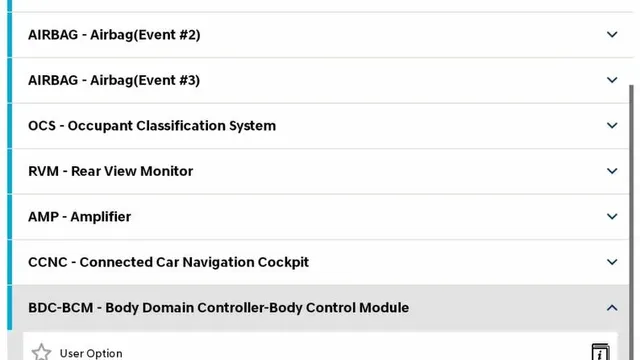
2025 Hyundai Ioniq 5 No Start/Ready Mode TSB 26-BE-009H
Hyundai Technical Service Bulletin 26-BE-009H addresses a "NO START OR UNABLE TO ENTER READY MODE" condition in some 2025 Ioniq 5 (NEA EV) vehicles. This TSB outlines the procedure to inspect and potentially replace the Body Domain Control (BDC) module.
2025-2026 Hyundai Ioniq 5/Ioniq 9 Front Motor Noise TSB
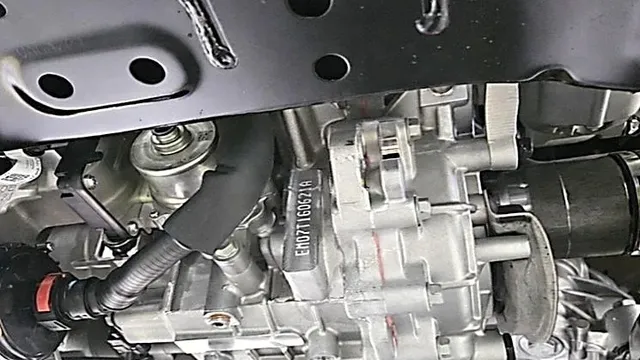
Hyundai has issued Technical Service Bulletin 26-01-029H (Campaign LA9) for 2025 Ioniq 5 and 2026 Ioniq 9 vehicles. This bulletin addresses a high-frequency noise from the front motor area during low-speed deceleration, detailing the replacement of the front motor and reduction gear assembly.
2025 Hyundai Ioniq 5 Automatic Wipers Inoperative TSB
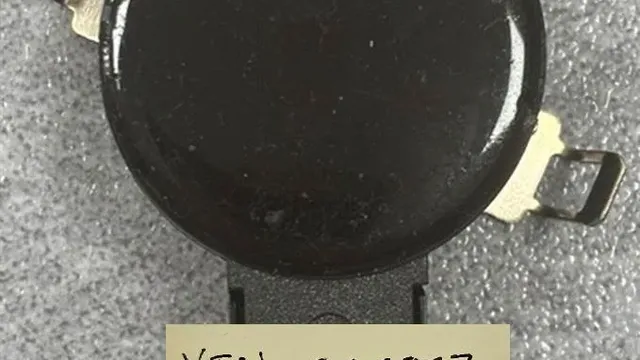
Hyundai has issued Technical Service Bulletin 26-BE-006H for certain 2025 Ioniq 5 vehicles experiencing inoperative automatic front wipers. This issue is often caused by a contaminated rain sensor lens and requires inspection and potential replacement.
2025 Hyundai Ioniq 5 HV Battery Charging Issue TSB
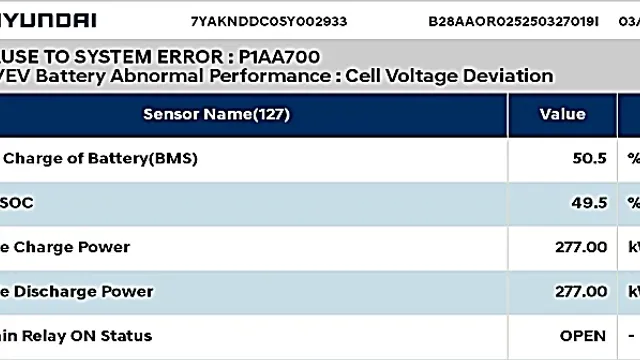
Hyundai has issued Technical Service Bulletin (TSB) 26-EV-002H for certain 2025 Ioniq 5 vehicles. This TSB addresses a condition where a voltage difference between battery cells prevents the High Voltage Battery from fully charging, often indicated by DTCs P1AA700 or P1AD300.
2025 Hyundai Ioniq 5 MGDU Noise Service Campaign 25-01-056H
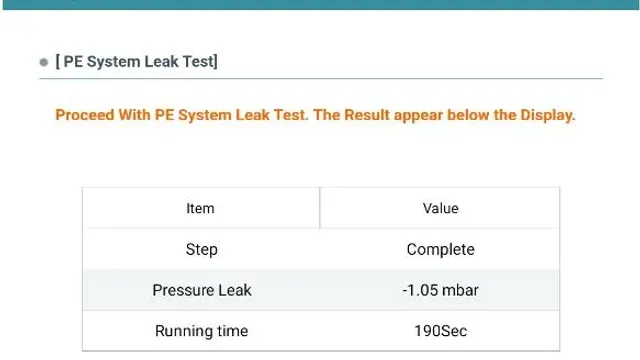
Hyundai's Service Campaign 25-01-056H addresses a potential noise issue in the Motor-Gear Drive Unit (MGDU) of certain 2025 Ioniq 5 vehicles. This is caused by a missing wave washer, requiring replacement of the MGDU assembly.
2025 Hyundai Ioniq 5 Missing License Plate Hole TSB
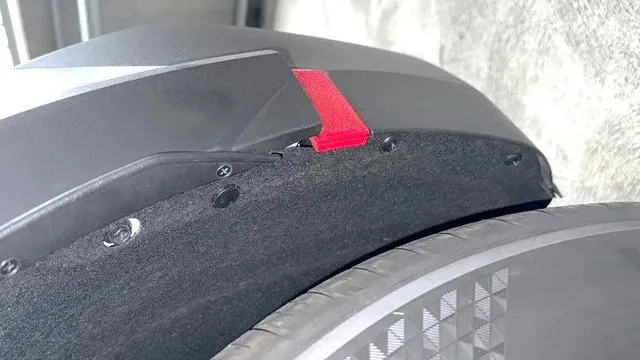
Hyundai's Service Campaign TCY, TSB 25-01-037H-1, addresses 2025 Ioniq 5 models (NEA EV) that may have missing rear license plate mounting holes. This bulletin outlines the inspection and replacement procedure for the rear bumper cover to ensure proper license plate installation.
2025 Hyundai Ioniq 5 Missing License Plate Holes TSB
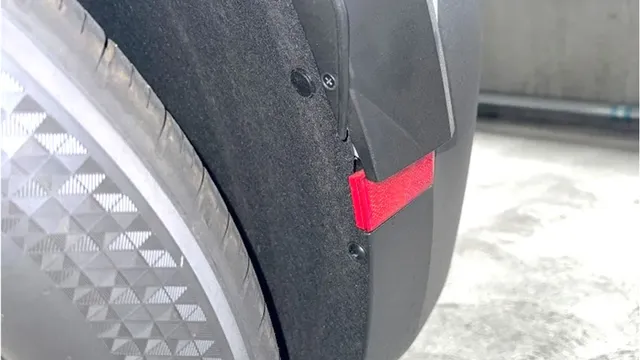
Hyundai has issued Technical Service Bulletin 25-01-037H for certain 2025 Ioniq 5 vehicles that may be missing rear license plate mounting holes. This TSB outlines inspection and replacement procedures.
2025 Hyundai Ioniq 5 Inner Rear Lamp LED Inoperative TSB
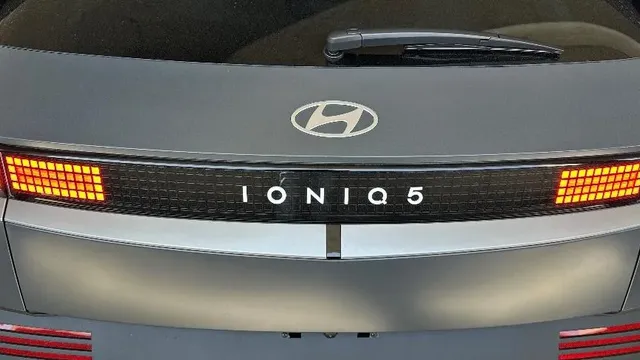
Hyundai Technical Service Bulletin 25-BE-011H details an issue with certain 2025 Ioniq 5 vehicles where LEDs in the inner rear combination lamp may be inoperative. This bulletin provides inspection and replacement guidelines.
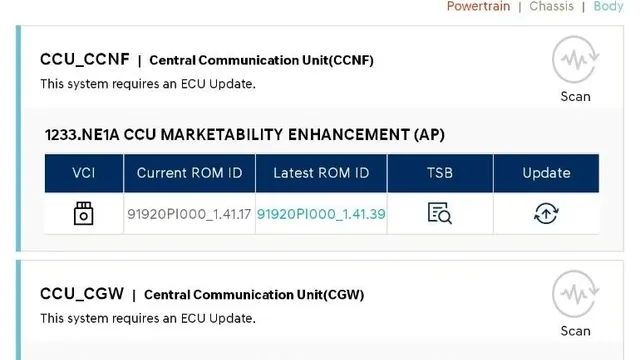
2025 Hyundai Ioniq 5 CCU Update for Plug & Charge
Hyundai Technical Service Bulletin 25-BE-009H addresses a Central Communication Unit (CCU) software update for the 2025 Ioniq 5. This update enables Plug & Charge service and involves two key events, 1233 (AP) and 1234 (MCU), which can be performed via Ethernet or OTA.
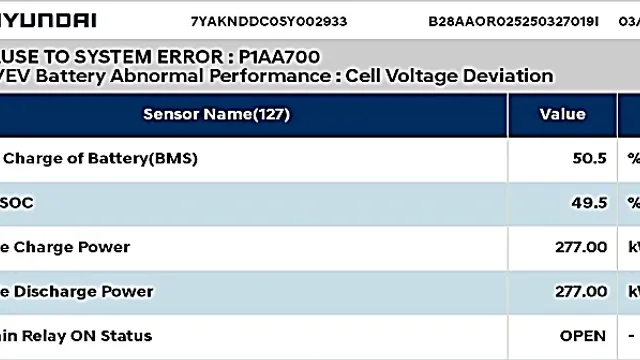
2025 Hyundai Ioniq 5 HV Battery Charging Issue TSB
Hyundai Technical Service Bulletin 25-EV-002H addresses a charging issue in certain 2025 Ioniq 5 vehicles, indicated by DTCs P1AA700 or P1AD300, requiring inspection and potential replacement of the Battery System Assembly (BSA).
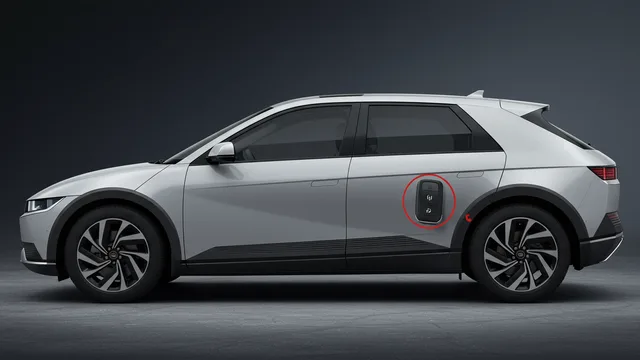
2025 Hyundai Ioniq 5 Key Fob Inspection Service Campaign
Hyundai has launched Service Campaign 9B9 for certain 2025 Ioniq 5 vehicles to address incorrect key fobs. Owners are advised to bring both key fobs to a Hyundai dealer for a free inspection and potential replacement to ensure proper functionality.
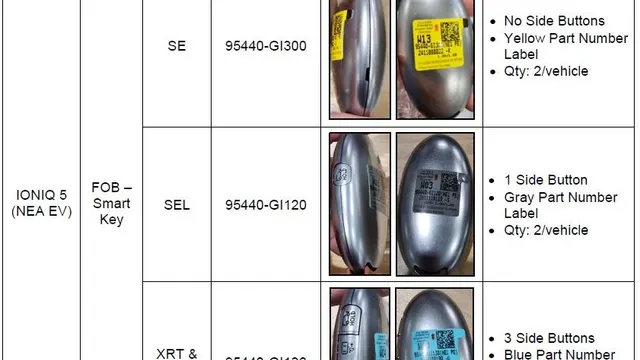
2025 Hyundai Ioniq 5 Incorrect Key Fob Service Campaign 9B9
Hyundai has launched Service Campaign 9B9 for 2025 Ioniq 5 (NEA EV) vehicles, addressing the issue of incorrect key fobs. Dealers will inspect and replace the key fobs as necessary, following TSB 25-01-011H, at no cost to the owner. Owners will be notified via mail in March 2025.